10 September 2026
Materials researchers know the problem well. Optimising a new perovskite electrode or a carbon material for the next generation of energy devices means navigating a huge space of possible compositions, synthesis conditions and process parameters, while every single data point comes from a costly and time-consuming synthesis, characterisation or DFT calculation. Trial and error is slow.
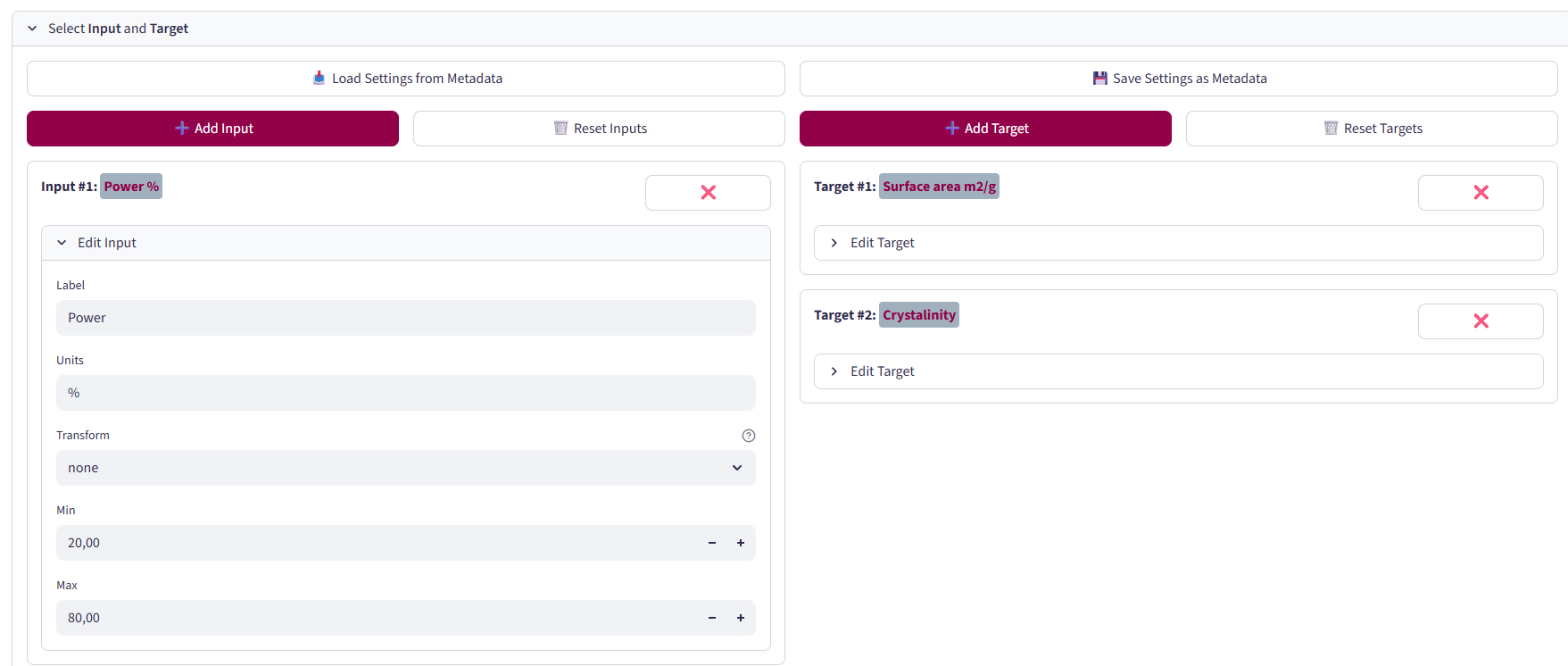
Within KNOWSKITE-X a machine learning platform has been developed, designed to close exactly this gap. It is a browser-based, no-code tool that lets experimentalists and modellers work directly with their own data, without writing a line of code or handing it off to an ML specialist first.
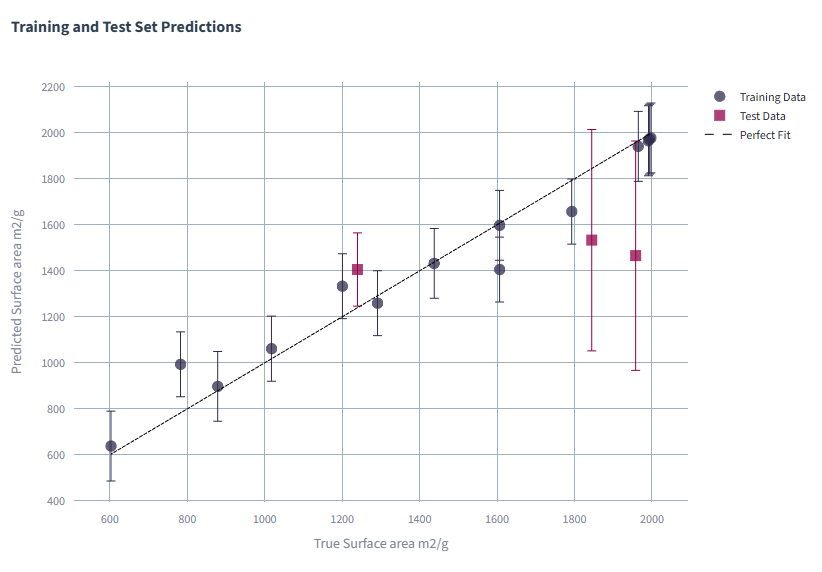
At the core of the platform is a combination of two well-established but rarely combined techniques: Gaussian Process regression and Bayesian Optimisation. Users upload their tabular data, select which variables are inputs and which is the target they want to improve, and the platform trains a surrogate model on the spot. What makes this approach particularly well suited to materials research is that, alongside every prediction, the model reports how confident it is. That distinction between “well-supported” and “uncertain” regions of the parameter space is exactly what is needed before deciding whether to trust a recommendation or treat it with caution.
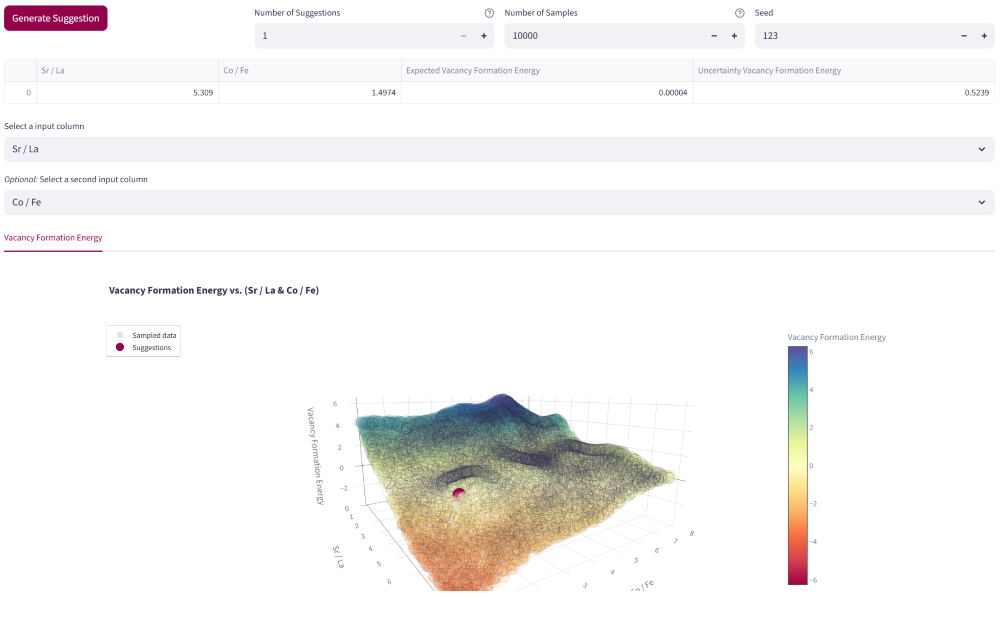
From there, the platform goes a step further: using Bayesian Optimisation, it suggests which experiment or calculation to run next to make the fastest possible progress toward the target, balancing the exploration of unknown regions against the exploitation of promising ones. When more than one objective matters at once, for example maximising performance while minimising cost, it returns a set of trade-off candidates rather than a single answer, leaving the final call to the researcher.
In short, the platform:
- Turns raw experimental or simulation data into a probabilistic model in a few clicks, with no programming required
- Quantifies uncertainty alongside every prediction, rather than offering a black-box number
- Recommends the next experiment most likely to move a project forward, including in multi-objective settings
- As new results come in, the model keeps improving over the course of a research campaign
The platform has already been put to the test by our partners. Ranging from modelling of perovskite electrode materials for solid oxide cells to laser-assisted carbonisation for functional carbon materials, the platform serves as a digital co-pilot to make data-driven materials discovery a practical, everyday part of the research process, not just a specialist add-on.