03 December 2026
In the KNOWSKITE-X project, we explore how energy materials behave when they actually work, using advanced in-situ and operando characterization tools.
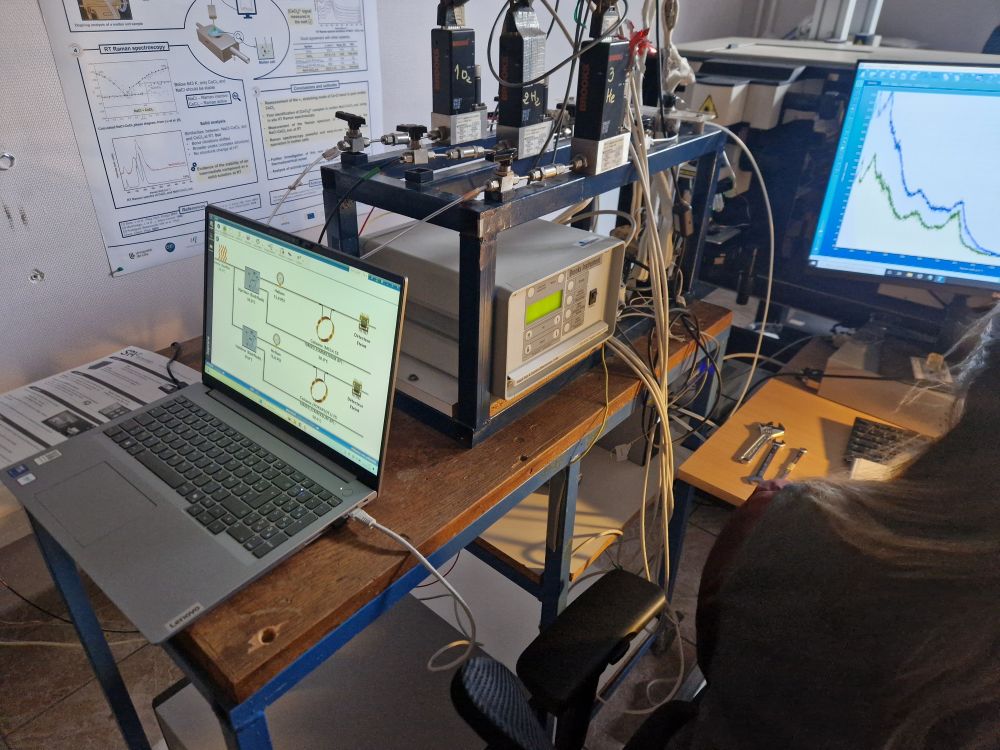
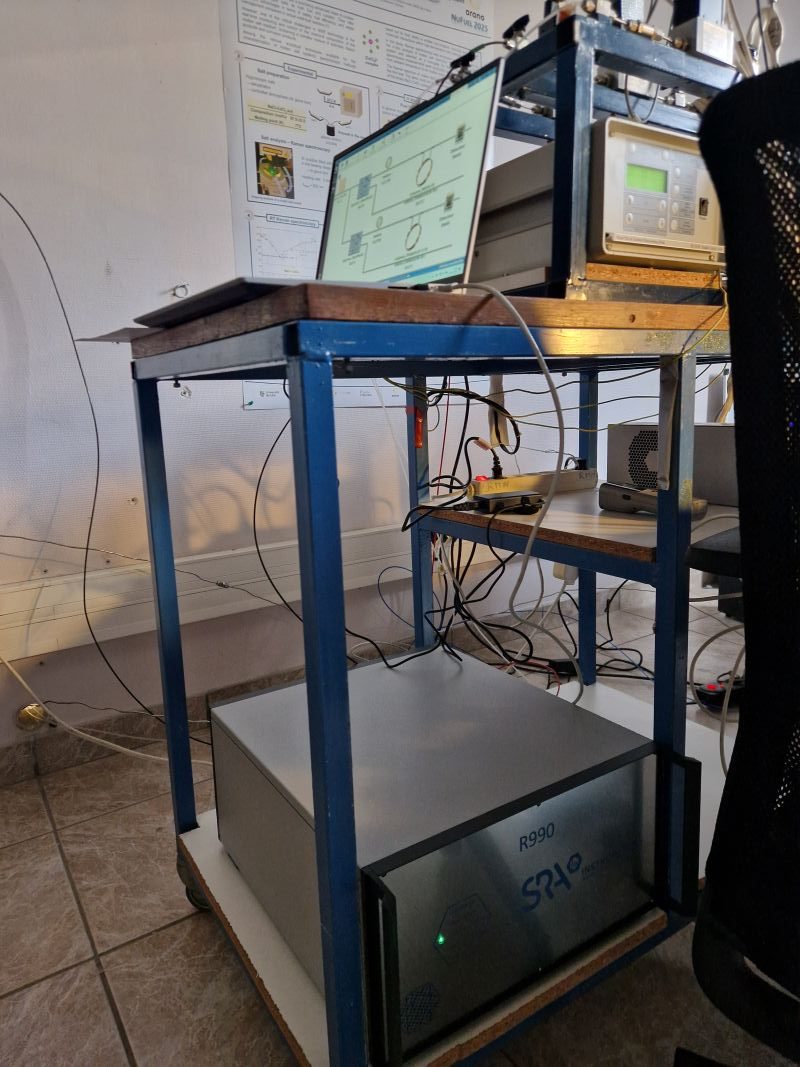
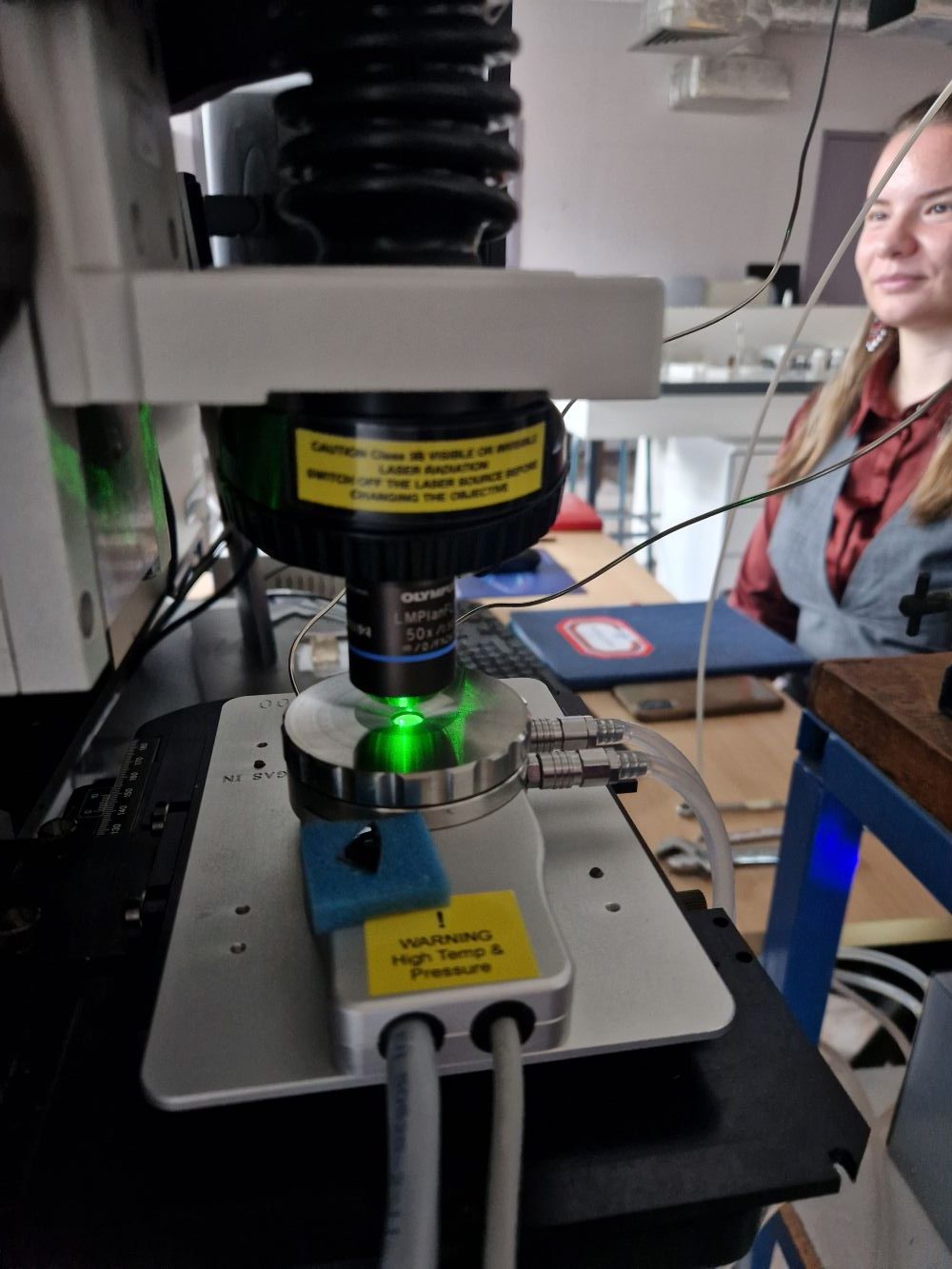
Our team now employs a high-temperature Linkam CCR1000 in-situ chamber to study how electrode materials evolve during redox cycling with H₂ and O₂, at temperatures up to 800 °C, conditions close to their real working environment. At the same time, we monitor gas conversion and product selectivity in real time thanks to an online micro-GC system, directly linking structural changes to catalytic performance in oxygen reduction (ORR) and hydrogen oxidation (HOR) reactions, the key transformations at the electrodes of solid-oxide fuel cells.
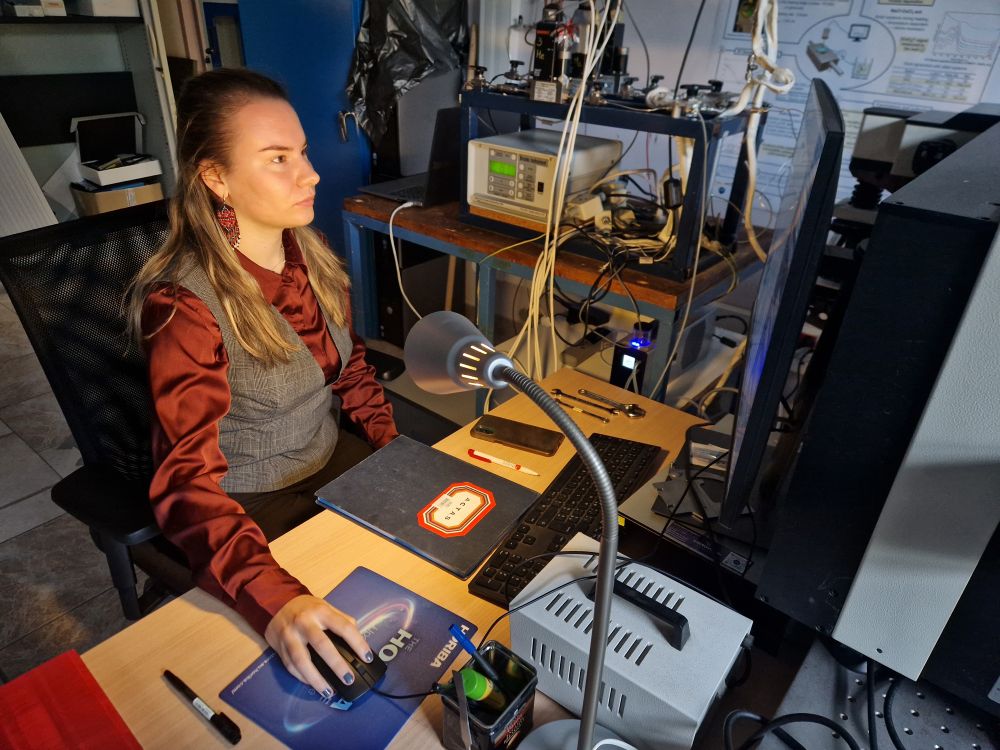
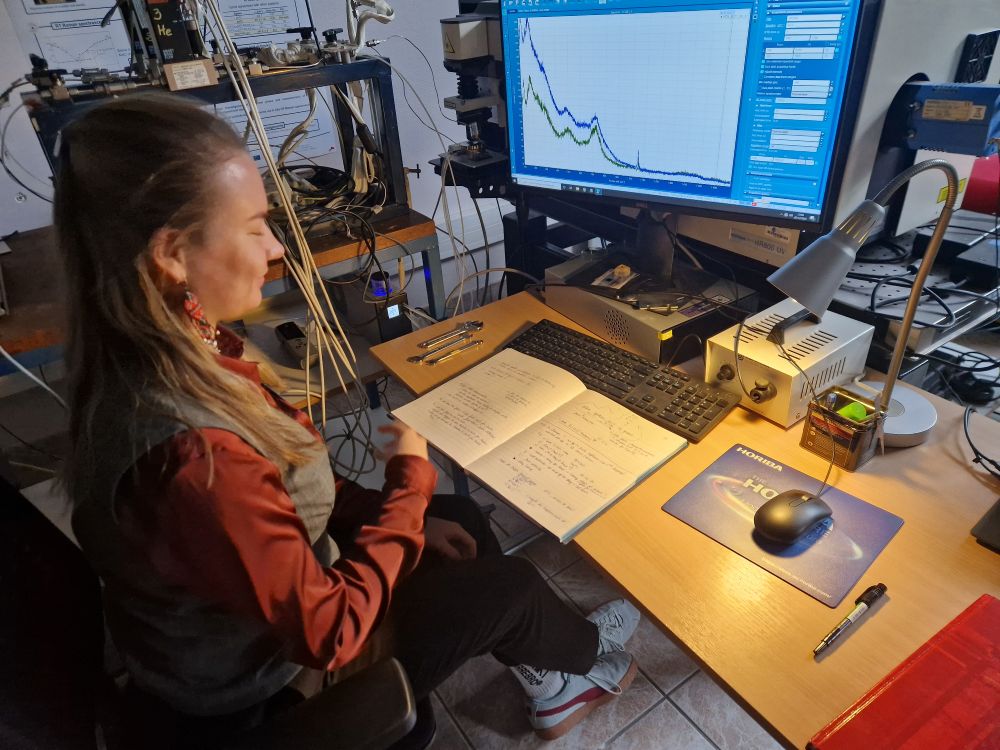
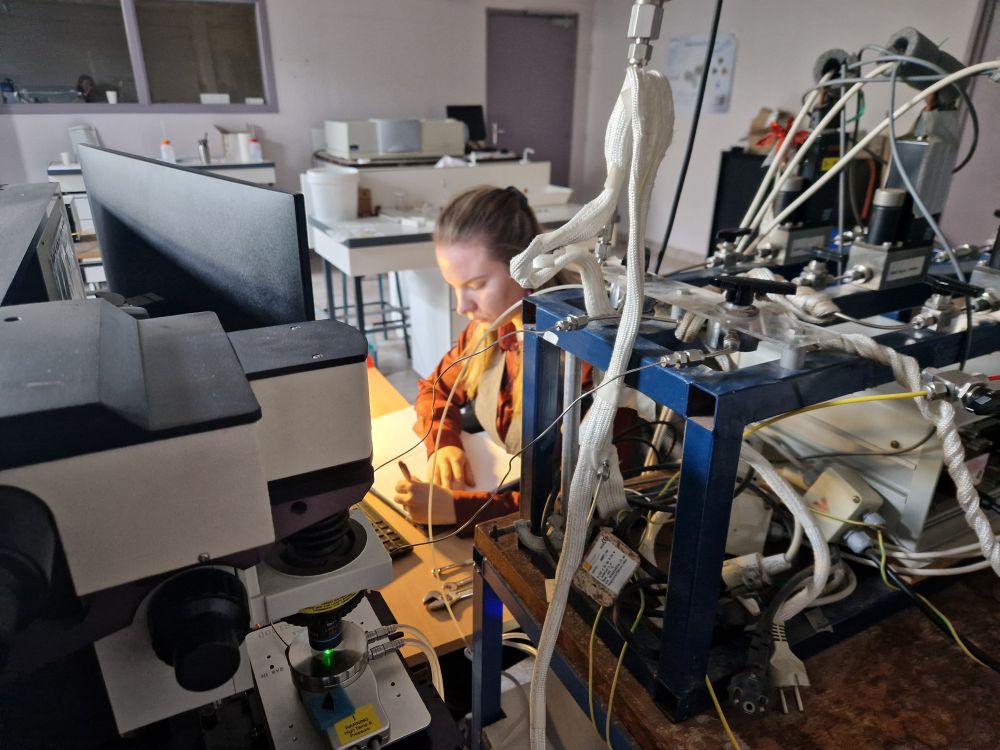
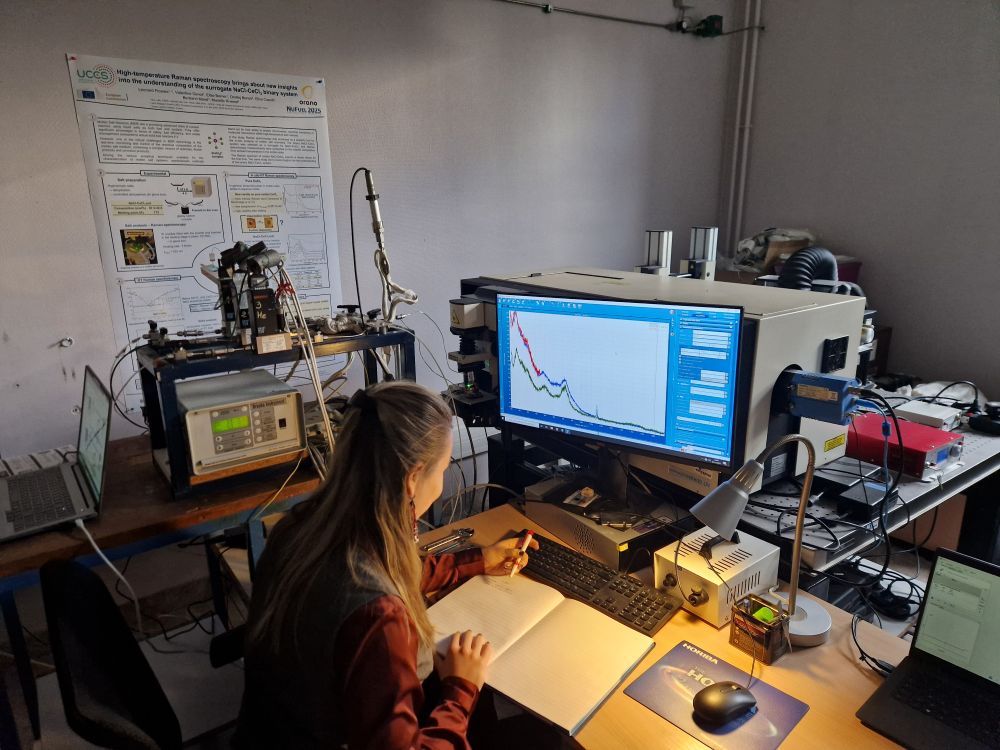
The set-up combines Raman spectroscopy, precise gas distribution (He, H₂, O₂), and fast analytical detection. In the photos, you can see Valérie Theuns, PhD researcher in the project, operating the Raman spectrometer as the material is probed under controlled reactive atmospheres.
This integrated platform represents a crucial step toward understanding the local structure, reaction mechanisms, and stability of next-generation high-temperature electrode materials with low (or no) critical content. Such insights will help design more efficient and durable systems for sustainable energy technologies.